
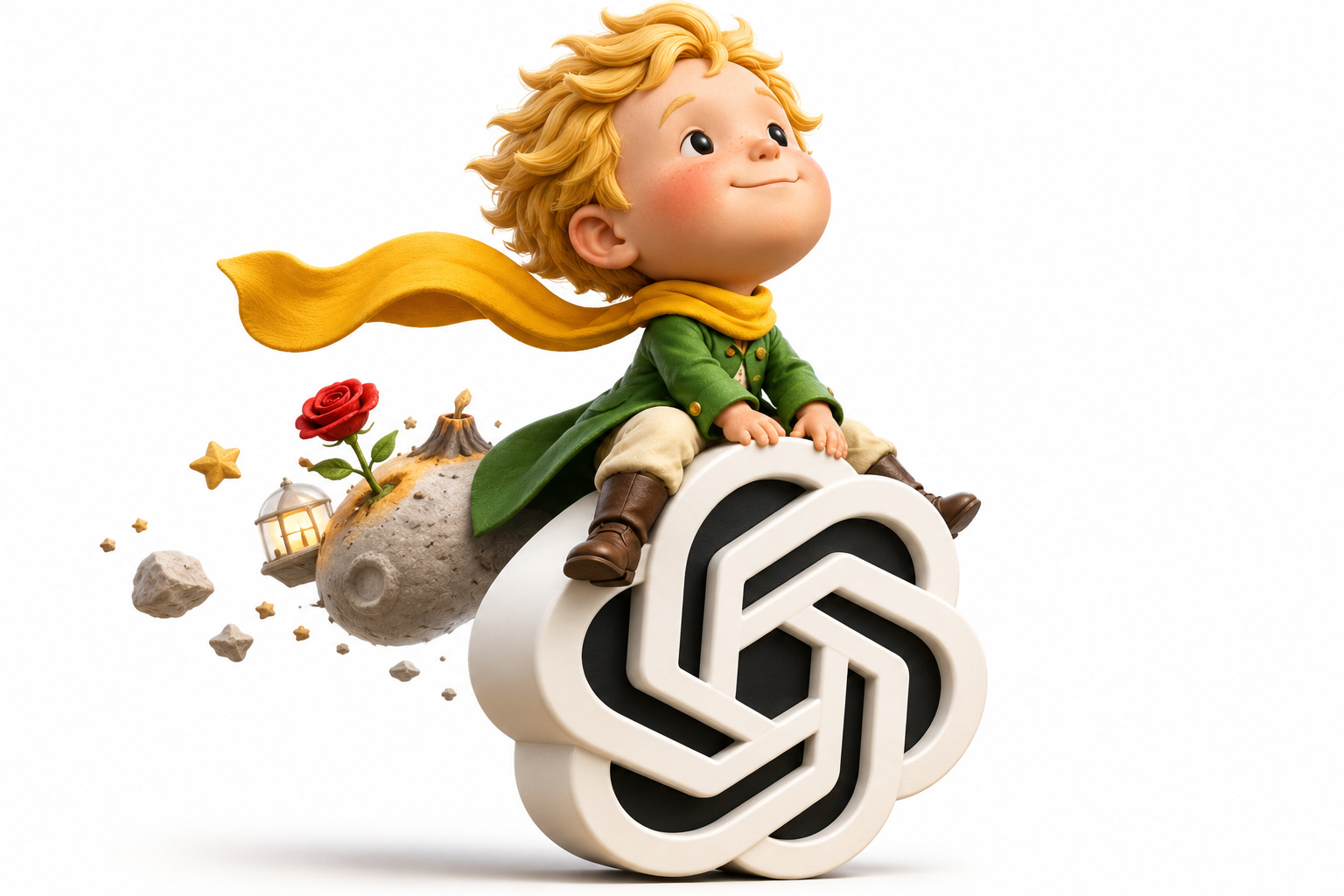
A game creator named Sac turned The Little Prince into a 3D game with AI. It took him merely 16 days, and then overnight it went viral, just like that.
When he shared the stats screenshot, showing roughly 98,000 visits, it should be way over 100k by now.
So does that mean everyone can make their own game with AI now? And should you jump right into it and build your own next million-dollar viral game?
Let’s hold that question for a moment.
After going through his production process, playing the game, and reading others’ play experiences, I have four specific lessons about using AI to build products that you'll want to know before you invest your time.
What it takes 01 — Experience
Let’s start with the production, the creator published how he made it on X.


Here’s a tl;dr version:
The creator used AI to build the scenes and characters from the story, from the Little Prince’s tiny home on Asteroid B-612 to the worlds he visits, then brought them into Blender and Unity.
He also used natural language to ask AI to operate some of those tools. Such as
基于上传的场景参考图,帮我生成一张该场景的全面貌参考图片,包括整体环境的多视角视图以及局部细节的展示。
Using the uploaded scene reference, create a comprehensive reference sheet for the scene, showing the overall environment from multiple angles and highlighting close-up details.
That meant he had to describe the changes he wanted so the AI could carry out the instructions faithfully (as faithfully as an LLM could).
But there are plenty more details than you’d ever imagine.
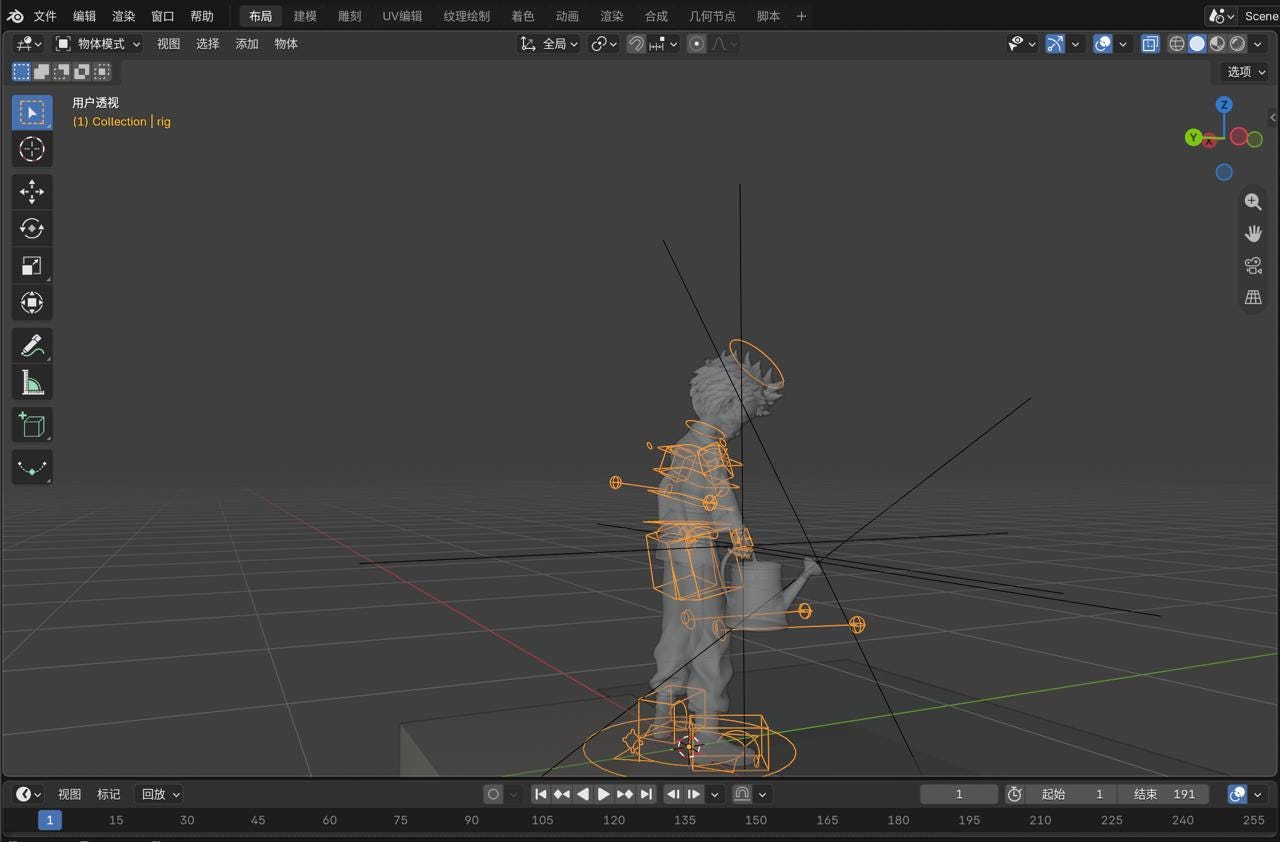
The watering can is a good example.
The Little Prince needs to pick it up. His hand has to meet the handle, and the can has to move with him. The creator spent time on the iterations, starting with an existing animation, then asking AI to keep adjusting the contact and movement in Blender.
And this whole game was built through hundreds and even thousands of trials and errors.
On top of that, you need to know Sac is not a novice. He had already shared experiments making 3D scenes with AI and other tools. There was practice behind just those 16 days.
So here’s our first lesson, the part that’s easy to miss when someone says AI can make a game or an app with just a few clicks.
I believe that having relevant background or experience with a similar project helps you move through that process. You’ll have a better idea of what to ask for and how to deal with what comes back.
On top of that, you also need to consider how much time you’re willing to spend shaping one particular thing, or when the first version looks wrong, do you know what to ask for next?
Because Sac knows his way around 3D tools, he has a better sense of what to change. Otherwise, you’ll have to learn as you go, and it can be frustrating.
What it takes 02 — Taste
On Reddit, one commenter called it an interesting project but felt there was very little gameplay. They also reported broken jumping and thought the animations needed work.
These comments give the creator a few different things to think about. If we first focus on the experience, yes, you can fix a broken jump, but when someone says there’s very little gameplay, you have to think about what you want people to get out of the game.
For something like The Little Prince, exploring a quiet world and revisiting a story you love could already be a good reason to play. Then the question is how the interactions help create that experience.
Take the rose, for example: you go and get the water, bring it back, and care for her, exactly like this scene in the book:
the time the Little Prince spends caring for his rose is what makes her matter to him.
But going through those same actions in a game doesn’t mean every player will feel that connection to the rose.
For a game like The Little Prince, a quiet place to explore and revisit the story could be enough for some players. Others may want more interaction. That feedback helps the creator decide who they’re making the game for and what to spend time improving.
So that’s my second lesson: as AI makes production faster, taste becomes more important in deciding what to spend that time on.
Again, with the comment about there being very little gameplay. You could respond by adding more things to do. But you’d still have to decide how to, w/o changing the story. Alternatively, you can just decide that they aren’t your audience to grab.
That’s where I think your own experience matters, because that’s how you develop taste. The games you enjoyed, what felt frustrating, and why—those experiences give you a sense of what you want to make.
Then feedback helps you see what happened when someone else played the kingdom you built. It shows how deeply you can engage the player in your dream. You might have spent ages polishing a scene, while they struggled to understand what to do next.
That gives you a solid reason to reflect on or even go back and change it, but this, again, takes time.
What it takes 03 — Ongoing support
After the game launched, Sac said the website was experiencing heavy traffic and asked players to report issues and send screenshots, which he’ll work to fix.
That’s another part of making a product. You might spend 16 days building it, only to have lots of people try it on different computer setups and report problems you haven’t encountered yourself.
One player on X reported that the movement controls reversed after the watering task, although they weren’t sure exactly what triggered it. They wanted to play, but couldn’t get that far. We don’t know whether traffic contributed to the problems people reported, but the attention clearly brought more people into contact with the game’s limitations.
And if someone can’t even load your game properly, they never get to experience the things you spent so much time creating and polishing.
So now you have more work to do. You need to understand the reports, reproduce the problems where possible, and check whether your changes actually fix them. AI can help with that too, sure, but either you go through one bug at a time with AI manually, or you need to build a debug pipeline.
Of course, unless you stop caring about the product and are ready to move on. The launch is just the beginning.
On top of that, the player reports only tell you about the problems people notice.
For example, a while back, there was a founder on X who proudly announced his SaaS was built entirely with Cursor and already had paying customers. Two days later, he was reporting attacks. He later admitted he had exposed his API keys. Soon enough, he shut down the app, saying the fixes kept breaking other parts of the code.
So he had built something people could use and pay for. But there were problems beneath the surface that he didn’t have the skill to recognize before putting it online.
Exactly what’s easy to miss with vibe coding.
You can get something working before you understand enough about it to judge whether it’s ready for release. And when something breaks, you may be learning how it works. However, your customers might not have the patience to wait around.
So that’s my third lesson: when you build a product with AI, you also need a way to check it and keep supporting it.
But also, AI could help investigate and make changes, but only if you know what to ask, and those changes still need reviewing and testing. Otherwise, you could keep accepting fixes without understanding what they changed or whether they caused another problem.
So behind a “made in 16 days” headline, what you should ask is:
How much work came afterward? How much help did the creator need?
What it takes 04 — Many, many audiences
Then there is marketing.
And I think we have to leave some room for luck here.
You can spend time making a game and preparing the launch, but you can’t decide how far people will share it. It matters when you post and whether it reaches people who find it resonates enough to pass it on.
Looking at The Little Prince, I believe several elements may have helped.
First of all, this is a household name.
You don’t even have to play the game to find that impressive. You might share the game simply because you want someone else to see how AI can bring your favorite story to life.
And of course, there was also deliberate promotion.
Tripo, a 3D studio, shared the game shortly after the launch post. Sac later disclosed its sponsorship and announced a giveaway to his fans who could share the gameplay screenshots.
So there was work behind getting it seen.
We don’t see how much each activity contributed, or how much came down to timing. But I wouldn’t look at this launch and assume that simply releasing a beautiful game will bring the same response.
Right now, “made with AI in 16 days” and The Little Prince make a compelling combination. But this gets old very quickly. The next creator could work just as hard and receive very little attention.
So the initial surprise can help get a game seen. After that, there are more important and practical questions to ask.
If I were looking at the product’s performance, I would want to understand what happened after the initial attention. Who actually started playing? Where did they stop? What did they enjoy enough to share?
I imagine for this case, a player who’s willing to share the game matters more than a returning player. Someone might only play once, but if they tell a friend what they enjoyed, that gives another person a reason to try it.
From a marketing point of view, it means the game did exactly what its creator dreamed about.
But finding those individuals, getting to know what they care about, and what prompts them to share the experience, is a less rigid process than simply creating one.
You can prepare a launch without knowing who it will reach beyond your mom.
So that’s my fourth lesson: AI may shorten the time it takes to make your game, while finding an audience comes with no promise of a breakout.
So back to the question…
Can you make a game with AI in 16 days? Yes. Sac did.
And if you’re already calculating how many games you could launch in a month, I admire the optimism.
It’s certainly worth the while if what you enjoy is building an interactive story that brings someone else into the world you created, plus fixing what breaks, and getting people to notice it exist.
But if what you have in mind is how quickly this would get you to go viral…
For your sake, forget about it.